What is different about septic near Lake Tobesofkee?
Lake lots are smaller, closer to water, and often built before today's rules. That makes the space for a tank and field the main question, and it makes the water table matter more. A lot near the lake can be a fine septic site or a tight one, and only the evaluation can say which.
Lake Tobesofkee is a Macon-Bibb County park lake on the west side of the county. The county's own site lists its parks along Moseley Dixon Road near I-475 and on Columbus Road near U.S. 80 in Lizella. It draws weekend buyers, retirees, and families who want a second home with water access, and the surrounding lots are a mix of newer homes and older ones.
The four things that limit a lake-lot system
- Space. Tank, field, and reserve area all need room, with setbacks from the house, wells, property lines, and water.
- Groundwater. Low ground near the water often has a seasonal water table close to the surface. The manual wants 2 feet of separation, or 1 foot with Class I aerobic pretreatment.
- Slope. Lots that drop toward the water can run into the manual's 25 percent slope limit.
- Existing wells. Tell the health department about every well on or near the lot; distance from a well affects where the system can go.
A tight lot is where alternative designs earn their keep. See the alternative systems page before you decide a lot is not buildable.
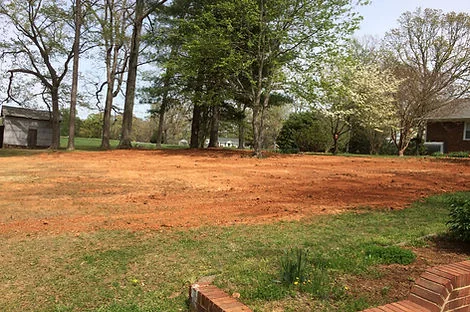
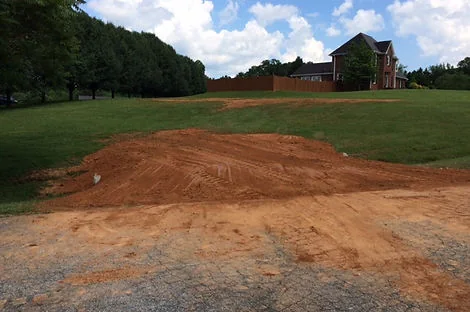
Buying or building near the lake: check the lot first
Ask the health department what is on file for the address, and get a soil evaluation during your inspection period. If the house is old, find out whether the system is original and what its permit says about bedrooms. If you plan to add a room, say so at the start.
Order the soil evaluation before closing. A lot that cannot pass is a very different purchase.
Ask for the system's age, the last pumping record, and any permit paperwork. Have the tank and field inspected, not only the house.
The permit follows bedroom count. Ask the health department what an addition does to your approval before you draw plans.
How a lake-lot installation runs
Confirm sewer
Ask Macon Water Authority, (478) 464-5600, whether a main serves the street.
Soil evaluation
The classifier checks water table depth, slope, and usable ground.
Design around the limits
Fit the tank, field, and reserve inside the setbacks, using a pumped, raised, or aerobic design if the lot needs one.
Permit and inspect
The Macon-Bibb County Health Department reviews the design, and we call for inspection before cover.
Older lake houses on septic: what to ask
Many lake houses were built or expanded over the years, and the septic system did not always grow with them. Before you buy or add on, ask:
- Is there a permit on file, and how many bedrooms does it allow?
- How old is the tank, and when was it last pumped?
- Where is the field, and is anything built or parked over it?
- Is there a well on the lot, and how far is it from the tank and field?
If the answers are missing, plan for an inspection of the tank and the field, along with the house. The state recommends pumping every three to five years, so a long gap is worth knowing about.
Working on a small lot
A small lot changes how the work gets done. Equipment has to reach the field without crossing the reserve, spoil needs somewhere to go, and trees and docks limit the paths a machine can take. We walk the lot with you before the estimate and mark the field, reserve, and travel route, so the work does not damage what you want to keep. If the lot is too tight for a standard layout, alternative systems use less ground.